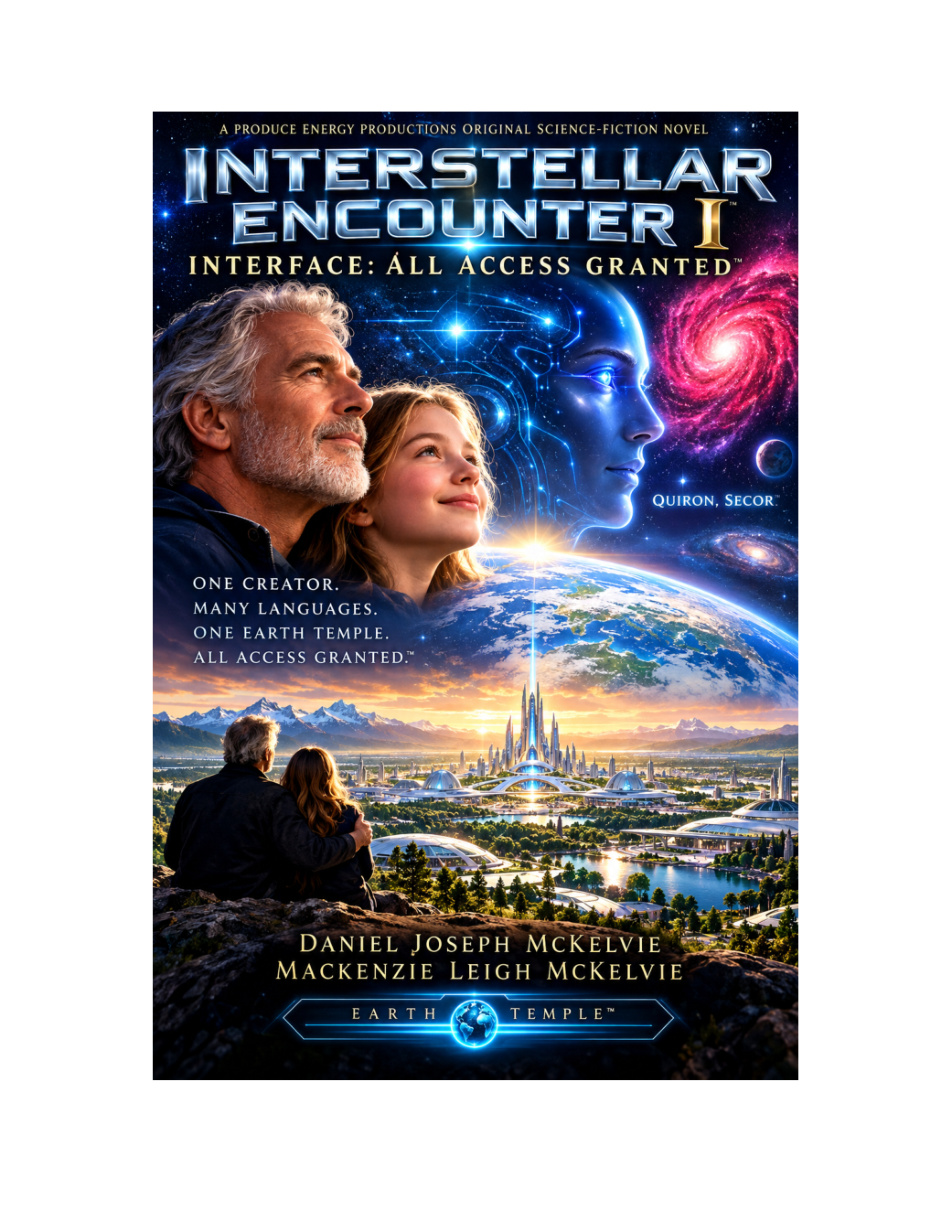
CHAPTER 17 — FLORIDA: MOTION AND MEANING
Page 38
CHAPTER 17 — FLORIDA: MOTION AND MEANING
Daniel's search for creative and technical possibility carried him from Michigan toward
Florida. He encountered the culture of engineering education and motion-picture
production associated with institutions such as Florida Institute of Technology and Full
Sail. The journey in this story is fictionalized; it is not a claim of verified enrollment.
What mattered to Daniel was the encounter between calculation and imagination. He
watched how light changed a scene and how editing could alter a viewer's
interpretation. A camera could reveal an overlooked detail, yet framing could hide
another.
In a Florida cinema lobby after a late showing, Daniel paused before a notebook of film
ideas. The room had its own sound: distant footsteps, a soft mechanical vibration, or the
restless breathing of people waiting for an answer. It would have been easy to describe
the moment afterward as inevitable. At the time, nothing about it felt inevitable. Every
person present had arrived carrying a different version of the events that brought them
there.
“Before we decide what this means,” Daniel said, “tell me what we actually know.” The
question unsettled the gathering. An observation was named, then a second; after that
came assumptions, memories, and things repeated so often that they had begun to
sound like facts. Someone objected that caution would cost them time. “Perhaps,” came
the reply. “But a mistake made quickly still belongs to us.”
The immediate evidence suggested that stories could test convictions without forcing
agreement. That possibility changed the conversation without settling it. There were
still other explanations, and the group tested them one by one. A mark was compared
with an older record; a witness was asked to describe what they had seen rather than
what they believed had happened. The process was slower than a declaration, and for
that reason it began to earn trust.
When the discussion finally broke, nobody left with a perfect answer. They left with
work: one person to preserve the evidence, another to speak with those affected, and
another to return with questions no one had yet considered. Outside, the world
continued in ordinary detail. Lights changed. Water moved. Someone laughed in a
distant room. The enormity of their choices did not exempt them from caring for the
small things.
The same problem appeared in philosophical arguments: every description selected
something and left something out. He began imagining films that would invite viewers to
Page 39
question rather than merely accept. On a humid evening he wrote, EVERYONE HAS A
VERSION OF COMMUNICATION. He meant that people approach meaning through
histories, senses, vocabularies, and assumptions. The sentence would eventually become
central to Creatorology and to the extraordinary electronic conversation at the heart of
his future novel. ADDITIONAL SCENES — EXPANDED EDITION Florida gave Daniel a
different classroom.
Heat shimmered above pavement; studio lights turned ordinary rooms into imaginary
worlds. He studied the work of filmmakers and technical educators associated with the
region, fascinated by how carefully constructed images could create convincing
illusions. A beautiful scene could be emotionally true and factually invented. On a
notebook page he wrote EVERYONE HAS A VERSION OF COMMUNICATION. He
circled it twice. The phrase belonged as much to a film editor choosing a cut as to a
philosopher choosing a word.